Archives
- 2026-07
- 2026-06
- 2026-05
- 2026-04
- 2026-03
- 2026-02
- 2026-01
- 2025-12
- 2025-11
- 2025-10
- 2025-09
- 2025-03
- 2025-02
- 2025-01
- 2024-12
- 2024-11
- 2024-10
- 2024-09
- 2024-08
- 2024-07
- 2024-06
- 2024-05
- 2024-04
- 2024-03
- 2024-02
- 2024-01
- 2023-12
- 2023-11
- 2023-10
- 2023-09
- 2023-08
- 2023-06
- 2023-05
- 2023-04
- 2023-03
- 2023-02
- 2023-01
- 2022-12
- 2022-11
- 2022-10
- 2022-09
- 2022-08
- 2022-07
- 2022-06
- 2022-05
- 2022-04
- 2022-03
- 2022-02
- 2022-01
- 2021-12
- 2021-11
- 2021-10
- 2021-09
- 2021-08
- 2021-07
- 2021-06
- 2021-05
- 2021-04
- 2021-03
- 2021-02
- 2021-01
- 2020-12
- 2020-11
- 2020-10
- 2020-09
- 2020-08
- 2020-07
- 2020-06
- 2020-05
- 2020-04
- 2020-03
- 2020-02
- 2020-01
- 2019-12
- 2019-11
- 2019-10
- 2019-09
- 2019-08
- 2018-07
-
br Materials and methods br Results br Discussion
2020-07-30
Materials and methods Results Discussion In the current study we provide the first evidence that CRTH2 gene expression in human lymphocytes and eosinophils takes place in the late phase reaction of allergic rhinitis patients and this requires at least in part the inhibition of tyrosine kina
-
br Materials and methods br Acknowledgments We thank
2020-07-30
Materials and methods Acknowledgments We thank the Platform for Drug Discovery, Informatics, and Structural Life Science of the Ministry of Education, Culture, Sports, Science and Technology, Japan, for providing DP2392-E10. We are also grateful to Dr. Shinji Watanabe (Center for Influenza Vir
-
Alternatively procedural factors may have contributed
2020-07-30

Alternatively, procedural factors may have contributed to the conflicting results. For instance, in order to have a more circumscribed area of drug diffusion, a volume of 0.05μl was injected in experiment 1b, which is four times lower than the one used in the mentioned plus-maze investigation. Besid
-
In addition to neutral lipid accumulation our study also ill
2020-07-29
In addition to neutral lipid accumulation, our study also illuminated that DGAT2 from N. oceanica could alter the composition of fatty acids. The results showed the strong correlation between neutral lipid content and fatty acid, because fatty WAY 208466 dihydrochloride content was considered to be
-
Our present study examined the effects of depleting macropha
2020-07-29
Our present study examined the effects of depleting macrophages in a spontaneous model of LN, while also circumventing any developmental defects by avoiding genetic manipulation. Although the mice were sacrificed before the control mice reached extremely high levels of proteinuria, we believe the re
-
br Role of the funding source This
2020-07-29

Role of the funding source This work was supported by National Counsel of Technological and Scientific Development (CNPq); Foundation for Research Support of the State of Sao Paulo (FAPESP), Brazil (Grant number: 2010/07286-9). Conflict of interest Acknowledgments Introduction Corticotr
-
Magnetic interactions between metal ions are
2020-07-29

Magnetic interactions between metal ions are usually described by superexchange via intermediate ligands. Although the general principles of the superexchange mechanism are essentially the same for d and f ions, calculations of exchange parameters for lanthanides are more difficult than for transiti
-
The ligand binding site of
2020-07-29
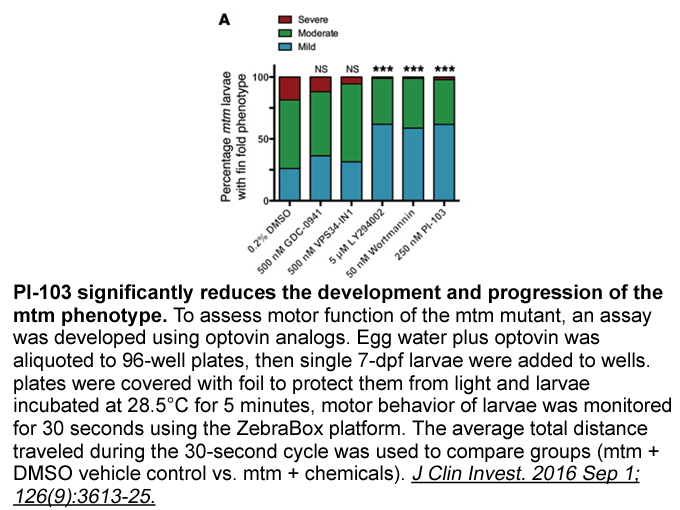
The ligand-binding site of cys-loop receptors is located at the interface of two adjacent subunits, which are loops A-C on the principal subunit and loops D-G on the complementary subunit (Hibbs and Gouaux, 2011). Each receptor has a different ligand-binding domain that contain various residues, whi
-
Despite the encouraging clinical data regarding the efficacy
2020-07-29
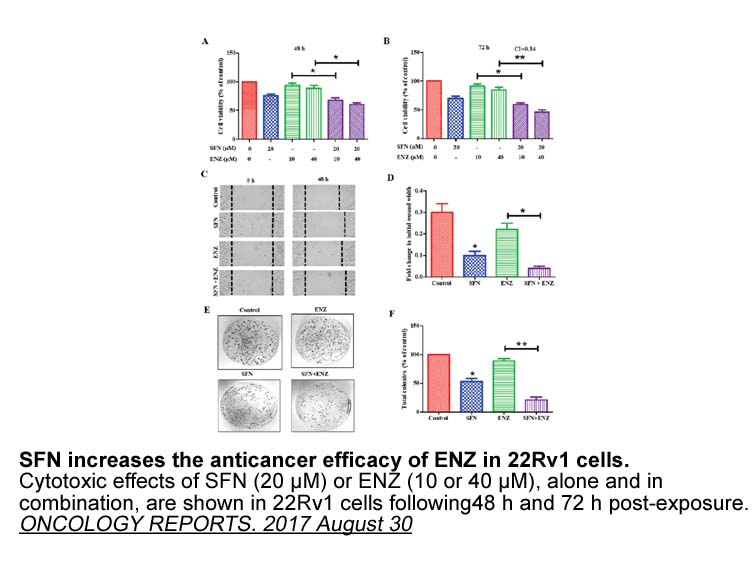
Despite the encouraging clinical data regarding the efficacy of ETA receptor antagonists in a variety of pathophysiological settings, the safety profiles for these drugs have been disappointing due to high incidence of hepatotoxicity, headache and edema. The development of new ETA receptor antagoni
-
Proinflammatory cytokines induce ER stress in many mammalian
2020-07-28
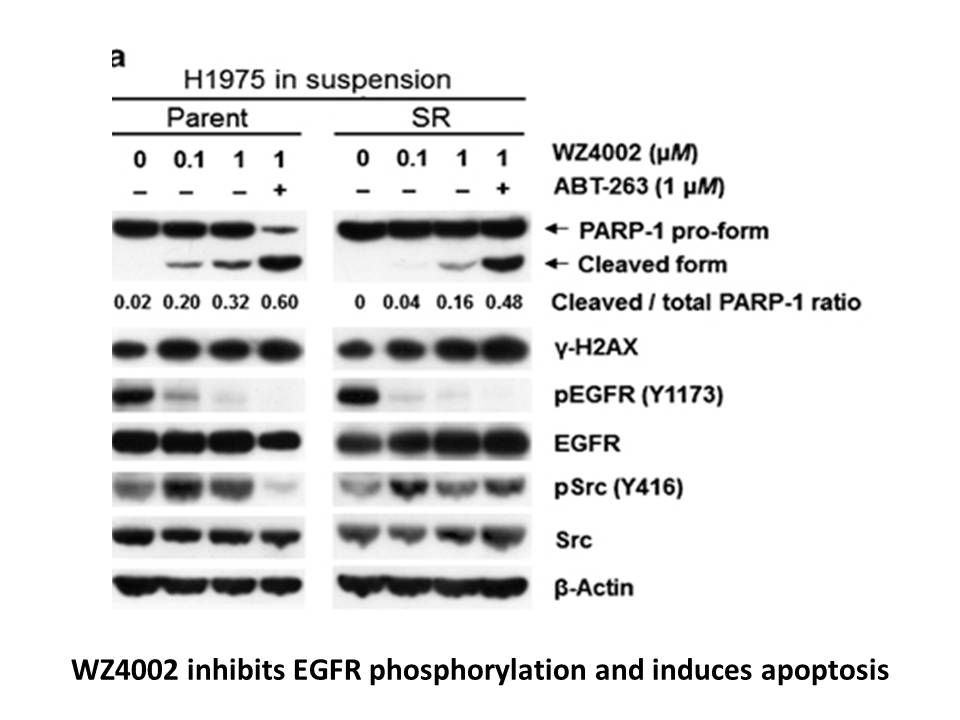
Proinflammatory cytokines induce ER stress in many mammalian cell systems.32, 33, 34 Our results demonstrate that these cytokines also trigger ER stress in trophoblast JEG-3 cells. However, the severity of stress is likely low grade because only the PERK-EIF2A arm of the UPRER pathway was activated.
-
In vivo C and C are non redundant in that
2020-07-28

In vivo, C4 and C16 are non-redundant in that calcium calmodulin dependent protein kinase of either caused reduced virulence after i.n. infection (Ember et al., 2012, Fahy et al., 2008), and a double deletion virus was attenuated further. In contrast, redundancy was observed in the i.d. model becau
-
A search through the GenBank
2020-07-28
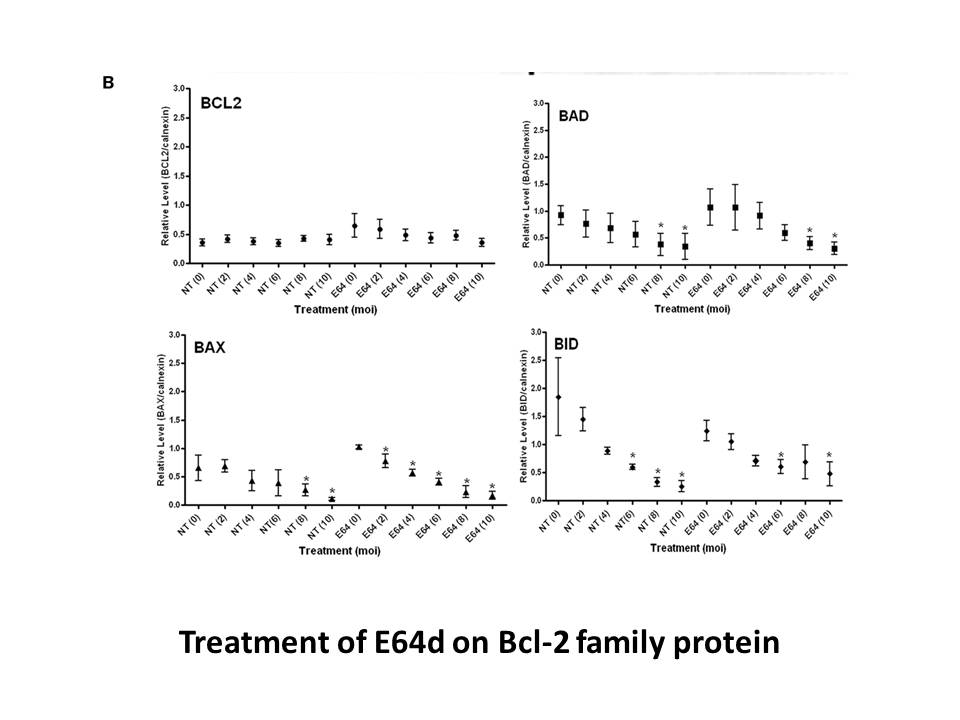
A search through the GenBank indicated the following four proteins having the highest identity (>30%) to the primary structure of B. subtilis PPase: `hypothetical exopolyphosphatases\' of Streptococcus mutans, Methanococcus jannaschii, Archaeoglobus fulgidus and intrageneric coaggregation-relevant a
-
br DAPK induced pathways It has been
2020-07-28
DAPK1 induced pathways It has been for almost twenty years an unsettling debate whether DAPK1 is a pro- or anti-apoptotic kinase. Multiple studies have shown the involvement of DAPK1 in multiple processes of cell growth like Chlortetracycline HCl check points (Gade et al., 2016), apoptosis, and
-
br Conclusion We have found unique profiles
2020-07-28
Conclusion We have found unique profiles of CRF2(a) receptor phosphorylation, βarrestin2 recruitment, homologous desensitization, and dynamin/clathrin-mediated internalization conferred by binding of urocortins or CRF. Thus, differential desensitizing and internalizing actions of urocortins and C
-
In addition to regulating the splicing
2020-07-28

In addition to regulating the splicing of CPT1, it is possible that tra2 may regulate the splicing of additional lipid metabolic genes such as fatty chir99021 synthase (dFAS) and acetyl-CoA carboxylase (dACC) which promote the synthesis of fatty acids or brummer (bmm), the fly homolog of adipose tr
14520 records 806/968 page Previous Next First page 上5页 806807808809810 下5页 Last page