Archives
- 2026-11
- 2026-10
- 2026-09
- 2026-08
- 2026-07
- 2026-06
- 2026-05
- 2026-04
- 2026-03
- 2026-02
- 2026-01
- 2025-12
- 2025-11
- 2025-10
- 2025-09
- 2025-03
- 2025-02
- 2025-01
- 2024-12
- 2024-11
- 2024-10
- 2024-09
- 2024-08
- 2024-07
- 2024-06
- 2024-05
- 2024-04
- 2024-03
- 2024-02
- 2024-01
- 2023-12
- 2023-11
- 2023-10
- 2023-09
- 2023-08
- 2023-06
- 2023-05
- 2023-04
- 2023-03
- 2023-02
- 2023-01
- 2022-12
- 2022-11
- 2022-10
- 2022-09
- 2022-08
- 2022-07
- 2022-06
- 2022-05
- 2022-04
- 2022-03
- 2022-02
- 2022-01
Bioinformatics tools are becoming more powerful and reliable
2023-01-28
Bioinformatics tools are becoming more powerful and reliable due to the growing number and availability of experimentally determined protein structures (Arnold et al., 2006, Suplatov et al., 2015, Wiltgen and Tilz, 2009). The SWISS-MODEL and MODELLER programs are most frequently used for homology or
br Discussion Elevated blood BCAA levels are
2023-01-28

Discussion Elevated blood BCAA levels are a common feature of a developed pathophysiological state characterized by obesity and IR [4]. It has been suggested that this profile is part of a panel of biomarkers able to predict the onset of more severe complications like diabetes in humans [14]. In
The Cebu Longitudinal Health and Nutrition Survey CLHNS
2023-01-28
The Cebu Longitudinal Health and Nutrition Survey (CLHNS) genome-wide association study investigated the genetic loci associated with plasma adiponectin in 1776 unrelated Filipino women. Adiponectin was strongly associated with three genetic positions: the gene CDH13 (rs3865188, P ≤ 7.2 × 10⁻¹⁶), ne
br Conclusions Several lines of evidence
2023-01-28
Conclusions Several lines of evidence have been established, which support the adenosine kinase hypothesis of epileptogenesis, which is based on a sequence of events leading from acute alverine receptor injury to initial downregulation of ADK, rise in extracellular adenosine, changes in astrocyt
Patients with ADA SCID may experience autoimmune AEs
2023-01-28
Patients with ADA-SCID may experience autoimmune AEs after SCT (and/or during ERT) that are thought to be related to immune dysregulation prior to achieving complete immune reconstitution. The more common autoimmune manifestations include hemolytic anemia, hypothyroidism, and immune thrombocytopenia
br Actin cytoskeleton in protrusion Pushing force driving
2023-01-28
Actin cytoskeleton in protrusion Pushing force driving membrane protrusion is generated by polymerizing cytochalasin d receptor filaments organized either into branched networks or parallel bundles. Branched networks are assembled through Arp2/3 complex-dependent actin nucleation and drive protr
In brief serotonin can interact with classes of receptors ar
2023-01-28
In brief, serotonin can interact with 7 classes of receptors are differentiated into 14 subtypes (Barnes and Sharp, 1999). Specifically, 5-HT1A and 5-HT2C receptors have been the most widely studied in the modulation of anxiety responses (Deakin et al., 1992; Millan, 2003). However, the studies that
HCC aetiology is multifactorial and the disease is
2023-01-28
HCC aetiology is multifactorial and the disease is often preceded by other conditions including liver fibrosis and cirrhosis that are associated with HCV, HBV, alcoholic and non-alcoholic hepatitis. The discovery of new therapeutic targets will require a greater understanding of the pathogenic mecha
As the effects of baclofen on
2023-01-28
As the effects of baclofen on primary afferent activity are not reproduced by GABAA receptor agonists like muscimol and isoguvacine, this ionotropic receptor may play minimal role in the modulation of primary afferent activity. However, it is important to note that post-synaptic GABAA receptors rema
br Regulatory mechanisms of ASK
2023-01-28
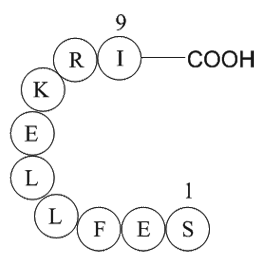
Regulatory mechanisms of ASK1 activity The functions of ASK1 in disease ASK1 inhibitor As mentioned above, ASK1 plays a pivotal role in the pathogenesis of various diseases; hence, an ASK1 inhibitor has therapeutic potential. Although inhibitors of the ASK1 downstream kinases p38 and JNK ar
The presence of crown like structures and
2023-01-28
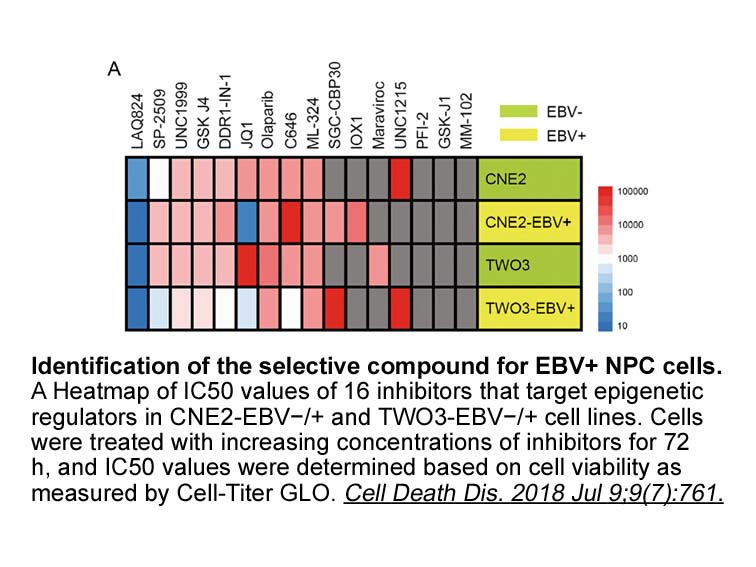
The presence of crown-like structures and inflammatory factors in the breast of obese patients is associated with considerable changes in intracellular signaling and a profound cellular dysfunction. Secreted pro-inflammatory factors can directly promote breast carcinogenesis as they have been report
Introduction The corpus luteum CL is a transient endocrine g
2023-01-28
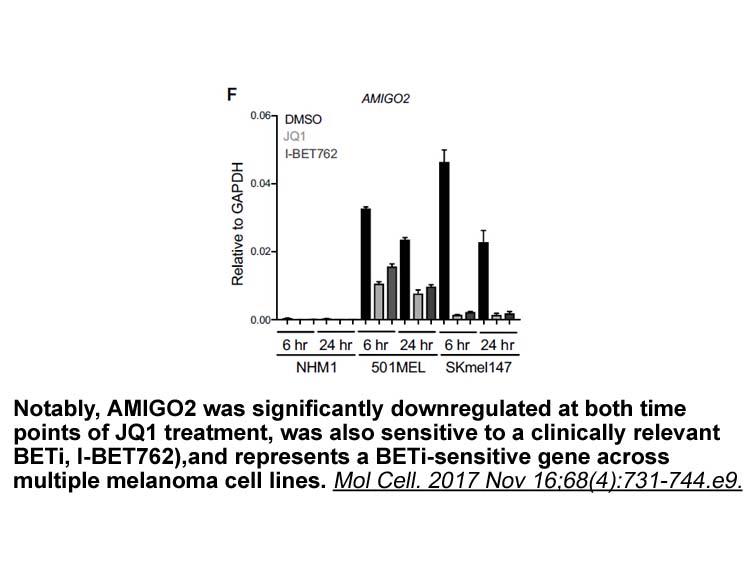
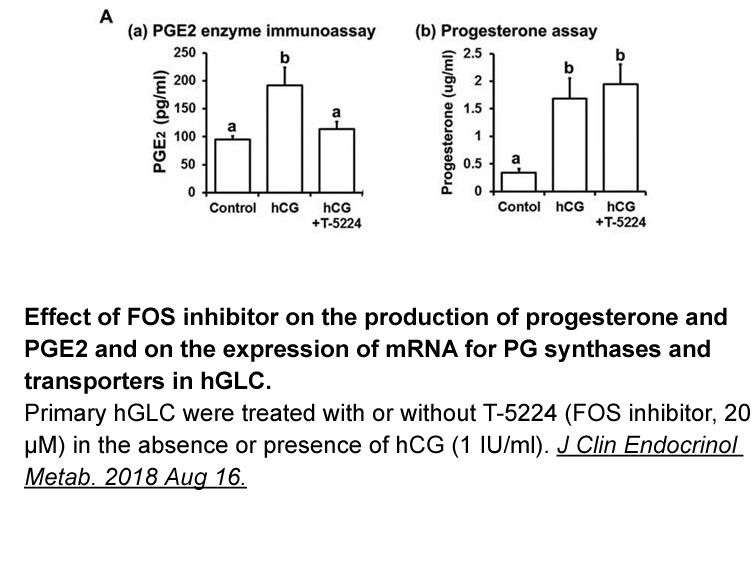
Introduction The corpus luteum (CL) is a transient endocrine gland that differentiates from the thecal and granulosal cells of the ovarian follicle after ovulation. Its formation and limited lifespan in the mammalian ovary is important for fertility, as the CL produces progesterone (P4), the essent
br Concluding remarks br Definition Prion diseases
2023-01-28
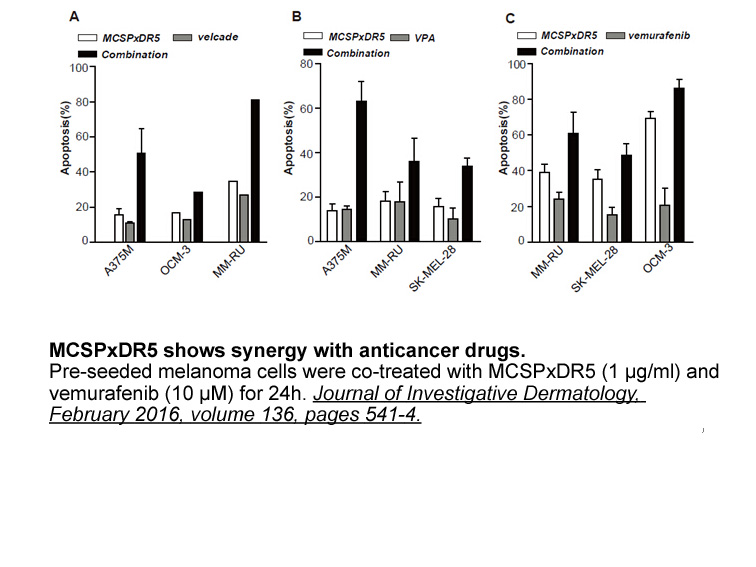
Concluding remarks Definition Prion diseases are fatal neurodegenerative disorders that are caused by an unconventional agent that is neither bacterial nor viral, but is in essence an infectious misfolded amyloidogenic protein, termed a prion (Prusiner, 1982). Once considered highly controvers
br Epidemiology br Genetics The dominantly inherited PrP cer
2023-01-28
Epidemiology Genetics The dominantly inherited PrP cerebral amyloidoses are genetically transmitted with a penetrance of almost 100%. Early linkage analysis studies helped to established the relationship between GSS and mutations in the PRNP gene. PRNP is located on the short arm of chromosome
The SMN and SMN promoters are
2023-01-28
The SMN1 and SMN2 promoters are regulated by transcription factors such as E26 transformation-specific domain containing protein (ELK-1) and cAMP response element-binding protein (CREB) 58, 59. Compared with WT animals, mice with SMA exhibit increased and decreased ELK-1 and CREB phosphorylation, re
8047 records 362/537 page Previous Next First page 上5页 361362363364365 下5页 Last page